
Digital Inheritance and Posthumous Data Security: A Guide to Managing Your Cyber Legacy
- Shiksha ROY

- 2 hours ago
- 5 min read
SHIKSHA ROY | DATE: NOVEMBER 12, 2025

In an era where our lives are intricately woven into the digital fabric, we meticulously plan for the distribution of physical assets like houses and heirlooms. Yet, many of us overlook a vast and growing part of our estate: our digital footprint. From cherished family photos in the cloud to sensitive financial records and social media accounts, our digital lives demand a new kind of estate planning. This comprehensive guide explores the critical importance of digital inheritance and the emerging field of posthumous data security, providing a roadmap to secure your cyber legacy.
Understanding Your Digital Estate: More Than Just Passwords
Before you can manage your digital afterlife, you must first take stock of what you own. Your digital estate encompasses all the digital assets you control.
Financial Assets
Online banking, brokerage accounts (e.g., Fidelity, E*TRADE), cryptocurrency wallets (e.g., Bitcoin, Ethereum), and payment platforms like PayPal and Venmo. These often hold immediate monetary value and are critical for settling your estate. Cryptocurrency, if stored in a private wallet, can be permanently lost without the specific keys.
Media & Entertainment
Libraries of photos on iCloud or Google Photos, music on Spotify or Apple Music, videos on YouTube, and purchased movies/books on Amazon. These are assets of immense sentimental value, representing a lifetime of memories. Note that with subscription services, access may be lost unless content is personally downloaded and saved.

Social Media & Communication
Accounts on Facebook, Instagram, Twitter, LinkedIn, and email providers like Gmail or Outlook. These accounts hold your personal history and are often the first place loved ones look for closure. Email is a particular linchpin, as it can be used for password resets on other critical accounts.
Business & Storage
Documents on cloud services like Google Drive, Dropbox, or Microsoft OneDrive, and websites or domains you own. This can include everything from tax records and contracts to unpublished manuscripts or creative projects. A domain name left to expire can be snapped up by cybersquatters or competitors.
Loyalty Programs
Frequent flyer miles, hotel points, and credit card rewards can often hold significant value. Many programs' terms of service allow points to be transferred to a beneficiary upon death. These intangible assets can amount to substantial financial value for your heirs.
Failing to account for these assets can lead to them being lost, inaccessible, or vulnerable to cyber threats long after you're gone.
The Dual Challenge: Accessibility for Heirs vs. Security from Threats

The core dilemma of digital inheritance is balancing two opposing needs: providing your loved ones with access while protecting your data from malicious actors.
The Risk of Digital Abandonment
When a digital account is left unattended, it becomes a "ghost account." These accounts are low-hanging fruit for cybercriminals. They can be hijacked for phishing scams, identity theft, or to gain access to connected accounts and financial information. A deceased person's identity is a valuable commodity on the dark web, as the theft often goes unnoticed for a long time.
The Burden on Grieving Families
Without clear instructions, grieving family members are left to navigate a maze of different platform policies, legal hurdles, and forgotten passwords. The process is often time-consuming, emotionally draining, and can lead to permanent loss of precious digital memories.
Building Your Digital Legacy Plan: A Step-by-Step Guide
Proactive planning is the only solution to ensure your digital wishes are respected and your data remains secure. Follow these steps to create a robust digital legacy plan.
Take a Digital Inventory
Begin by creating a comprehensive list of all your digital assets. For each entry, note the following:
Platform/Service Name (e.g., Gmail, Chase Bank, iCloud)
Username/Account ID
The Asset's Nature (e.g., "primary email," "family photo storage")
Its Value (sentimental, financial, or both)
Leverage Built-in Legacy Tools
Major tech companies have recognised this need and offer their own solutions:

Google Inactive Account Manager: Allows you to set a timeout period. If your account is inactive for that time, it will either notify your trusted contacts or automatically send them your data.
Apple Legacy Contact: Lets you designate one or more people who can access your Apple Account data (including photos, messages, and notes) after your death, without needing a password or going to court.
Facebook Legacy Contact: You can choose a friend or family member to manage your memorialised account.
Define Your Wishes for Each Asset
What do you want to happen to each account? Your instructions could include:
Transfer: Granting access to a family member (e.g., for photo libraries).
Archive: Instructing a loved one to download and save important data before closing the account.
Delete: Requesting the permanent deletion of sensitive or private accounts.
Memorialise: For social media platforms like Facebook and Instagram, which offer memorialisation settings that preserve the account as a place for remembrance.
Appoint a Digital Executor
This is a crucial role. Your digital executor is the person you trust to carry out your digital wishes. This can be the same person as your traditional estate executor, or someone with more technical aptitude. Discuss your plans with them and formally appoint them in your will.
Secure Your Access Information (Safely)
Passwords are the keys to your digital kingdom, but sharing them directly poses a security risk.
Use a Password Manager: Services like 1Password, LastPass, or Bitwarden offer secure "Emergency Kit" or designated "Emergency Contact" features. These allow you to grant a trusted person access to your vault in a predefined emergency.
Avoid Plain Text in Wills: Never put passwords directly in your will, as it becomes a public document upon probate.
Formalise Your Plan in a Legal Document
While the tools above are helpful, they should be backed by a legal directive. Work with an estate planning attorney to include a digital assets clause in your will or a standalone digital assets trust. The Revised Uniform Fiduciary Access to Digital Assets Act (RUFADAA) has been adopted by most U.S. states and gives your executor the legal authority to manage your digital property.
Conclusion: An Act of Digital Responsibility
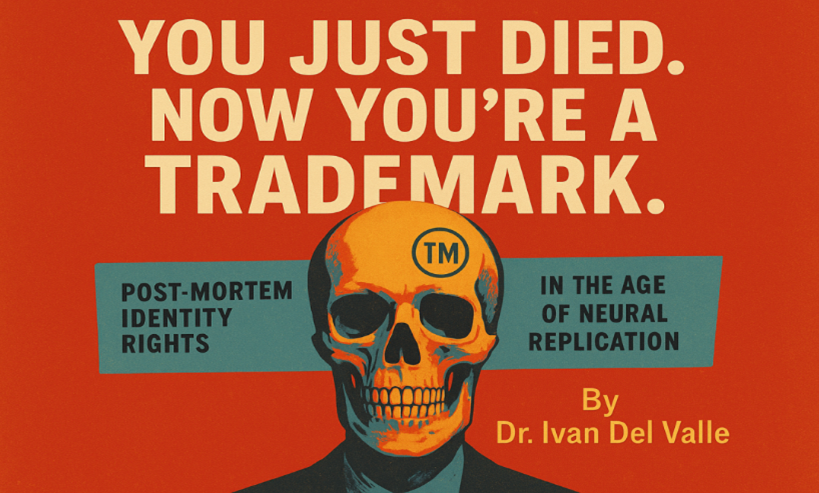
Managing your digital inheritance is no longer a niche concern but a fundamental aspect of modern life and responsible estate planning. It is a final act of love and consideration for those you leave behind, sparing them from bureaucratic confusion and protecting them from digital harm. By taking the time to inventory your assets, define your wishes, and use the available tools, you can ensure your digital legacy is handled with the same care and intention as your physical one. Secure your past to protect their future.
Citations
What happens to your Facebook account if you pass away | Facebook Help Center. (n.d.). https://www.facebook.com/help/103897939701143
How to add a Legacy Contact for your Apple Account - Apple Support. (2024, November 13). Apple Support. https://support.apple.com/en-us/102631
Uniform Law Commission. (2019). Fiduciary Access to Digital Assets Act, Revised. https://www.uniformlaws.org/committees/communityhomeCommunityKey2c84c19c-9bd4-4ba1-9e13-59b0c21ee954
Image Citations


Comments